
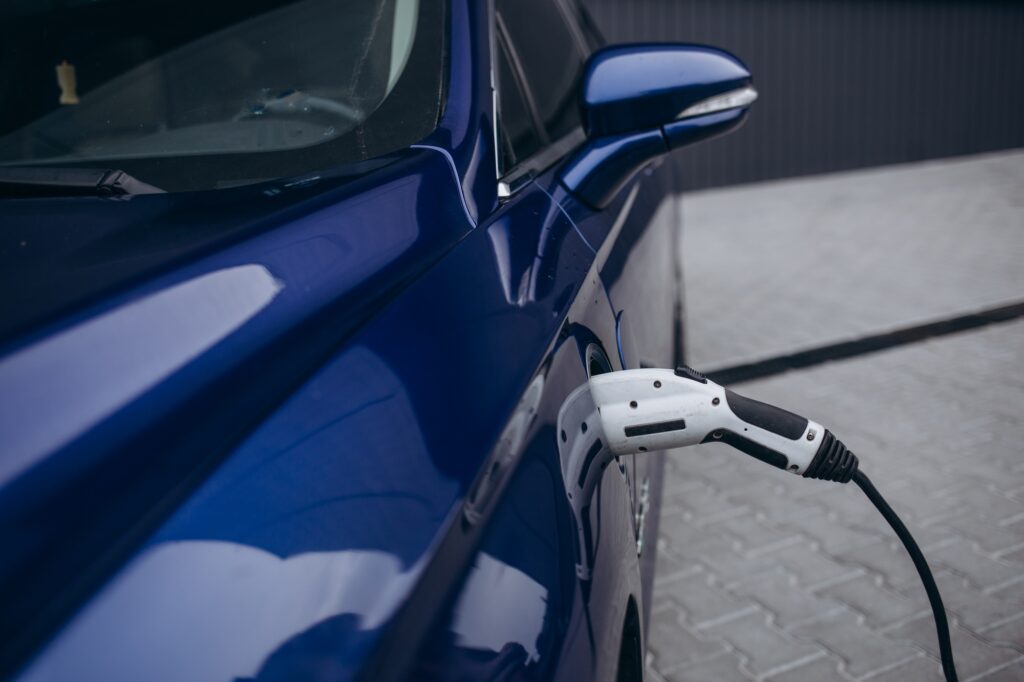
Understanding EV charging cable types and connector standards used in the UK is essential for every electric vehicle owner. The most important standards to know are Type 2 for everyday AC charging and CCS for rapid DC charging, with CHAdeMO and Type 1 now considered legacy formats. Choosing the correct cable and connector ensures compatibility with your vehicle, faster charging, safer operation, and a future-proof EV charging setup at home or work.
Why EV Cable Types and Connectors Matter
As electric vehicles become increasingly common on UK roads, EV charging infrastructure has expanded rapidly. Home chargers, workplace chargers, public chargepoints, and motorway rapid chargers all form part of a growing network designed to support electric driving. However, not all charging cables and connectors are the same, and understanding the differences is key to avoiding frustration, slow charging, or compatibility issues.
For new EV owners especially, charging terminology can feel overwhelming. Terms such as Type 2, CCS, CHAdeMO, AC charging, and DC charging are often used interchangeably, despite referring to very different technologies. Knowing which cable and connector your vehicle uses helps you choose the right home charger, charge confidently at public stations, and ensure your charging setup remains suitable as EV technology continues to evolve.
At SKCG Renewable Energy, we help homeowners and businesses across Essex and London install EV charging systems that are safe, compliant, and compatible with UK standards. This guide explains everything you need to know about EV charging cable types and connectors used in the UK.
Understanding EV Charging: AC vs DC
Before exploring individual cable types, it’s important to understand the two main types of electricity used in EV charging.
AC Charging (Alternating Current)
AC charging is the most common form of EV charging in the UK. Electricity supplied to homes and workplaces is AC, and when you charge your EV using a home wallbox or workplace charger, the vehicle’s onboard charger converts this AC electricity into DC so it can be stored in the battery.
AC charging is typically slower than DC charging but is ideal for:
- Home charging
- Workplace charging
- Overnight charging
- Destination charging such as supermarkets or car parks
DC Charging (Direct Current)
DC charging sends electricity directly to the EV battery without conversion by the onboard charger. This allows much higher power levels and much faster charging speeds.
DC charging is used at:
- Rapid charging stations
- Ultra-rapid motorway chargers
- Public high-power charging hubs
Understanding whether a cable supports AC or DC charging is essential when choosing the correct connector.
The Main EV Charging Connectors Used in the UK
In the UK, there are four EV charging connectors you are most likely to encounter:
- Type 2 – The UK and European standard for AC charging
- CCS (Combined Charging System) – The standard for DC rapid charging
- CHAdeMO – A declining DC charging standard used by older vehicles
- Type 1 – A legacy AC connector found on some early EVs
Each serves a specific purpose and is used in different charging scenarios.
Type 2 Connector: The UK Standard for Everyday Charging
What Is a Type 2 Connector?
The Type 2 connector, also known as the Mennekes connector, is the standard AC charging connector in the UK and across Europe. All new electric vehicles sold in the UK are equipped with a Type 2 inlet for AC charging.
If you charge your EV at home, at work, or at most destination chargepoints, you will almost certainly be using a Type 2 cable.
How Type 2 Charging Works
Type 2 charging uses AC electricity and relies on the vehicle’s onboard charger to convert power for battery storage. Type 2 connectors are designed to support both:
- Single-phase charging, common in UK homes
- Three-phase charging, available in some commercial or workplace locations
This flexibility allows Type 2 chargers to deliver a wide range of charging speeds depending on the electrical supply available.
Typical Power Levels for Type 2 Charging
Type 2 charging typically operates at:
- 3.7 kW – Older or lower-power home installations
- 7.4 kW – Standard modern home EV chargers
- 11 kW to 22 kW – Workplace or public AC charging
Most UK homes use a 7.4 kW wallbox charger, which can fully charge many EVs overnight.
Why Type 2 Is So Widely Used
Type 2 has become the UK standard because it:
- Is compatible with almost all modern EVs
- Supports faster AC charging than older connectors
- Works across home, workplace, and public charging
- Provides secure communication between charger and vehicle
For daily charging, Type 2 is the most important connector for UK EV drivers.
CCS (Combined Charging System): Rapid and Ultra-Rapid Charging
What Is CCS?
The Combined Charging System, commonly known as CCS, is the dominant connector for DC rapid charging in the UK and Europe. CCS builds upon the Type 2 connector by adding two additional DC pins, allowing the same port on the vehicle to support both AC and DC charging.
Most modern electric vehicles sold in the UK support CCS as standard.
How CCS Charging Works
When using a CCS charger:
- The upper section of the connector is used for AC charging at slower chargers
- The lower DC pins are used at rapid or ultra-rapid chargers
- Electricity flows directly into the battery without onboard conversion
This enables significantly faster charging compared to AC charging.
Typical CCS Charging Speeds
CCS chargers commonly deliver:
- 50 kW at standard rapid chargers
- 100 to 150 kW at high-power public chargers
- 200 kW or more at ultra-rapid motorway chargers
At these speeds, many EVs can charge from low battery to around 80 percent in 20 to 40 minutes.
Why CCS Is Important for Future-Proofing
CCS has become the preferred DC charging standard because it:
- Supports very high power levels
- Uses a single port for all charging types
- Is widely adopted by manufacturers and charging networks
For drivers who regularly travel long distances, CCS compatibility is essential.
CHAdeMO: An Older DC Charging Standard
What Is CHAdeMO?
CHAdeMO is a DC fast charging connector that originated in Japan and was widely used on early electric vehicles, particularly older models from Japanese manufacturers.
While CHAdeMO connectors are still available at some public charging stations, they are becoming less common as CCS replaces them.
Where You Might Still See CHAdeMO
CHAdeMO is mainly used by:
- Older Nissan Leaf models
- Early Mitsubishi electric vehicles
Many public chargers still include CHAdeMO connectors alongside CCS, but new infrastructure increasingly focuses on CCS only.
Is CHAdeMO Still Relevant?
For owners of vehicles that require CHAdeMO, the connector remains essential. However, for new EV buyers, CHAdeMO is generally considered a legacy format and not ideal for future-proofing.
Type 1 Connector: A Legacy AC Charging Option
What Is a Type 1 Connector?
The Type 1 connector was commonly used on early electric vehicles, particularly imports from outside Europe. It supports AC charging but at lower power levels than Type 2.
Type 1 connectors are now rare on new vehicles sold in the UK.
Limitations of Type 1
Type 1 charging typically supports:
- Lower charging speeds
- Limited compatibility with modern infrastructure
- Reduced future-proofing
Many Type 1 vehicles rely on adapters to use modern chargepoints, which can be inconvenient.
Charging Cables: Tethered vs Untethered
When installing or using EV chargers, you’ll also encounter two cable configurations.
Tethered Chargers
A tethered charger has a cable permanently attached to the charging unit. These are common on:
- Public rapid chargers
- Some home installations
Benefits include convenience and reduced need to handle cables.
Untethered Chargers
An untethered charger requires you to plug in your own cable. This is common for home chargers and many workplace chargers.
Benefits include:
- Greater flexibility
- Easier replacement of damaged cables
- Compatibility with multiple vehicles
Most UK homeowners use an untethered Type 2 cable with their home charger.
Choosing the Right Charging Cable for Your EV
Selecting the correct cable depends on:
- Your EV’s connector type
- Where you charge most often
- Whether your charger is tethered or untethered
- Desired charging speed
For most UK drivers:
- A Type 2 cable is essential for home and destination charging
- CCS compatibility is important for rapid public charging
- Type 1 or CHAdeMO may only apply to older vehicles
Professional advice ensures your charging setup matches your vehicle and lifestyle.
Safety and Installation Considerations
Using the correct cable and connector is critical for safety. Always ensure:
- Cables are rated for the charger’s power output
- Connectors are in good condition
- Charging equipment is professionally installed
- Manufacturer and installer guidance is followed
Incorrect cables or poor installation can reduce charging efficiency and pose safety risks.
Future-Proofing Your EV Charging Setup
The UK EV market continues to evolve, but Type 2 and CCS are firmly established as the dominant standards. Investing in charging infrastructure that supports these connectors ensures your home or business remains compatible with current and future vehicles.
At SKCG Renewable Energy, we design EV charging systems that are built to last, supporting modern EVs today and adapting to tomorrow’s technology.
Conclusion
Understanding EV charging cable types and connectors used in the UK gives you confidence, convenience, and long-term value from your electric vehicle. Type 2 is the standard for everyday AC charging, CCS is essential for rapid DC charging, and older formats like CHAdeMO and Type 1 are gradually being phased out. Choosing the right cable and connector ensures faster charging, better compatibility, and a future-ready EV charging setup.
To find the right EV charging solution for your home or business, speak with the experts at SKCG Renewable Energy. Contact us to arrange a consultation and receive tailored advice for your EV charging installation.