
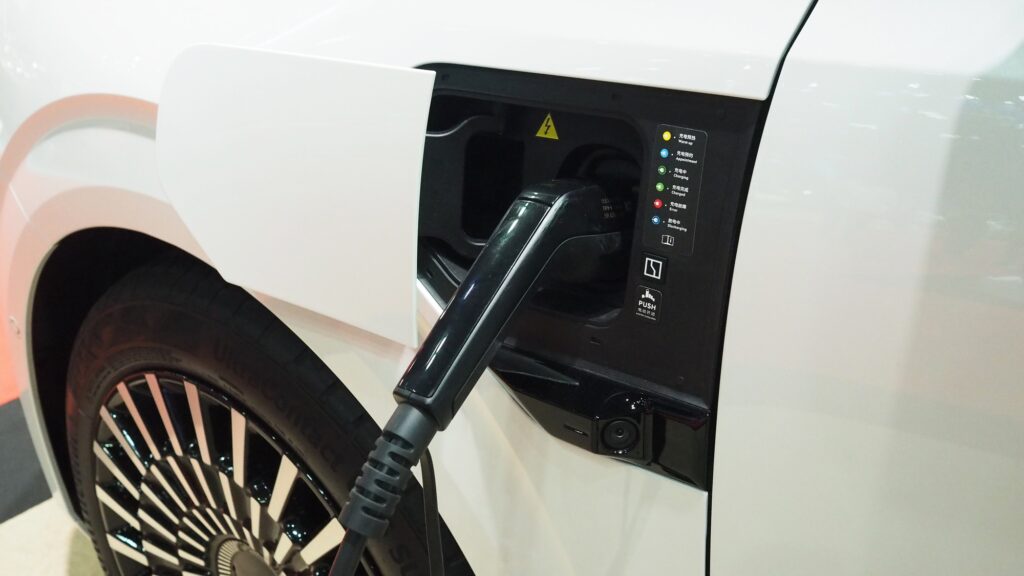
Yes, businesses can make money from EV charging stations. Installing electric vehicle charging infrastructure allows companies to generate revenue directly from charging fees while also increasing customer traffic, boosting property value, and strengthening sustainability credentials.
Across the UK, electric vehicles are becoming more common as drivers look for cleaner and more cost effective transport options. As EV adoption grows, demand for convenient charging locations continues to rise. Businesses that provide EV charging are well positioned to benefit from this transition by attracting new customers, supporting employees who drive EVs, and generating additional income.
For organisations across Essex and London, EV charging infrastructure can be installed as part of a modern energy strategy that includes solar power and battery storage. With professional installation from companies like SKCG Renewable Energy, businesses can take advantage of both financial and environmental benefits while preparing for the future of transport.
The Growing Opportunity for EV Charging in the UK
Electric vehicles are rapidly transforming the UK transport landscape. Government policies encouraging lower emissions, combined with improvements in battery technology and charging infrastructure, have significantly increased EV adoption.
As more drivers switch to electric vehicles, access to charging points has become a critical factor when choosing where to shop, dine, work, or stay overnight. Businesses that offer EV charging are therefore providing a valuable service that many customers actively seek.
This demand creates a major opportunity for commercial properties. Installing EV charging stations can turn parking spaces into revenue generating assets while supporting the transition to cleaner transportation.
Businesses that adopt EV charging early are often able to attract new visitors, increase customer loyalty, and enhance their reputation as environmentally responsible organisations.
How Businesses Make Money From EV Charging
There are several ways businesses generate income from EV charging infrastructure. Some revenue comes directly from charging fees, while other benefits come from increased customer activity and long term property value.
Understanding these models helps organisations determine how EV charging fits into their broader business strategy.
Charging Drivers for Electricity
The most direct way businesses make money from EV charging is by charging drivers for the electricity used to power their vehicles.
Charging stations usually operate using pricing models similar to those used in fuel stations or parking facilities.
Pay Per Kilowatt Hour
Drivers pay based on the amount of electricity they use, measured in kilowatt hours. This is one of the most common pricing methods because it reflects the actual energy consumed during charging.
Time Based Charging
In some cases, businesses charge drivers based on how long their vehicle remains connected to the charger. This pricing model is often used in busy areas where encouraging vehicle turnover is important.
Subscription Plans
Some workplaces and private facilities offer subscription charging plans for regular users such as employees or fleet drivers. These plans provide predictable revenue while encouraging consistent usage.
Businesses can set their own pricing strategy and apply a margin above the electricity cost. Over time, this margin can create a steady income stream.
Potential Profit From EV Charging Stations
Profit from EV charging stations varies depending on location, utilisation, and the type of charging equipment installed.
For many businesses, EV chargers become profitable once they are used regularly by customers or employees.
Several factors influence revenue potential, including:
- Number of EV drivers in the area
- Visibility and accessibility of the charging station
- Charging speed and technology
- Pricing strategy
- Duration of vehicle parking
High traffic locations with long parking durations often generate the strongest returns. Retail centres, car parks, hotels, and workplaces are particularly well suited for profitable EV charging installations.
As EV adoption continues to increase, charger utilisation rates are expected to grow, improving profitability for businesses that install infrastructure early.
Increased Customer Spending
In many cases, the greatest financial benefit of EV charging does not come from charging fees alone. Instead, it comes from increased customer spending.
When drivers charge their vehicles, they often remain at the location while waiting for their battery to recharge. This additional time spent on site increases the likelihood that customers will purchase products or services.
For example, a driver charging their vehicle at a shopping centre may decide to visit additional stores, purchase food, or spend more time browsing.
Businesses that benefit from this increased dwell time include:
- Supermarkets and retail parks
- Restaurants and cafés
- Hotels and accommodation providers
- Entertainment venues
EV charging stations therefore act as both a service and a marketing tool that encourages longer visits and higher spending.
Attracting New Customers
Another major advantage of EV charging is its ability to attract new visitors.
Electric vehicle drivers frequently rely on navigation apps and charging network platforms to locate nearby charging stations. Businesses that install EV chargers often appear on these platforms, making them visible to a wider audience.
This increased visibility helps businesses reach customers who may not have otherwise visited the location.
For example:
- A restaurant with EV chargers may attract travellers looking for a place to recharge both their vehicle and themselves
- A hotel with charging facilities may receive more bookings from EV drivers
- A retail centre offering EV charging may attract shoppers from surrounding areas
In this way, EV charging infrastructure acts as a customer acquisition tool.
Government Support and Incentives
One reason EV charging is becoming more popular among UK businesses is the availability of government incentives that help reduce installation costs.
The Workplace Charging Scheme provides financial support for organisations installing EV charging points for employees and visitors. The programme can cover a significant portion of the installation cost for eligible businesses.
These incentives help lower the initial investment required to install EV charging infrastructure, improving the overall return on investment.
Businesses that take advantage of these schemes can introduce charging facilities more affordably while preparing their property for future EV demand.
Increasing Property Value
Commercial properties that offer EV charging infrastructure are becoming more attractive to tenants and buyers.
As electric vehicles become more common, charging facilities are increasingly seen as an essential feature of modern buildings.
Property owners that install EV chargers may benefit from:
- Higher tenant demand
- Improved property value
- Future ready infrastructure
Developers are also incorporating EV charging into new construction projects to ensure buildings remain competitive in the evolving energy landscape.
Which Businesses Earn the Most From EV Charging
Although many businesses benefit from EV charging stations, certain sectors are particularly well positioned to generate revenue.
Retail Locations
Shopping centres, supermarkets, and retail parks benefit from increased customer dwell time while drivers charge their vehicles.
Hospitality Businesses
Hotels and restaurants can attract EV drivers looking for convenient charging while dining or staying overnight.
Office Buildings
Workplaces with EV charging stations can support employees who drive electric vehicles while offering paid charging services.
Car Parks and Transport Hubs
Public car parks, airports, and train stations can generate income from both parking and electricity usage.
Fleet Operators
Businesses with electric delivery vehicles or service fleets can reduce fuel costs by charging vehicles onsite.
Locations with frequent visitors and long parking durations typically achieve the highest utilisation rates.
Rapid Chargers Versus Standard Chargers
Businesses can choose between different types of EV chargers depending on their goals.
Standard Chargers
Standard chargers provide slower charging speeds but are more affordable to install. They are ideal for locations where vehicles remain parked for extended periods.
Common locations include:
- Offices
- Hotels
- Residential developments
Rapid Chargers
Rapid chargers provide significantly faster charging and are often used in high traffic areas where drivers require quick top ups.
These chargers can attract drivers who are willing to pay higher prices for faster charging. However, they usually require stronger electrical infrastructure and higher installation costs.
Selecting the right type of charger depends on the business location and the expected charging behaviour of visitors.
Integrating EV Charging With Renewable Energy
Many businesses are combining EV charging with renewable energy systems to reduce electricity costs and improve sustainability.
Solar panels can generate clean electricity onsite, which can then be used to power EV charging stations.
Battery storage systems can store excess solar energy for use during peak charging periods.
Benefits of integrating renewable energy with EV charging include:
- Lower electricity costs
- Reduced reliance on the national grid
- Improved environmental performance
By combining solar energy, battery storage, and EV charging infrastructure, businesses can create a more efficient and sustainable energy system.
SKCG Renewable Energy specialises in helping businesses install integrated renewable energy solutions that support long term energy efficiency and environmental responsibility.
Preparing for the Future of Transport
Electric vehicles are expected to play a major role in the future of transportation. Governments and industries around the world are investing heavily in EV technology and charging infrastructure.
Businesses that install EV chargers today are positioning themselves ahead of this transition.
Early adoption provides several advantages:
- Stronger brand reputation for sustainability
- Increased customer loyalty
- Future ready infrastructure
- Long term revenue opportunities
As the number of electric vehicles grows, the demand for charging locations will continue to increase.
Businesses that act early will be better prepared to meet this demand.
Choosing the Right EV Charging Solution
Installing EV charging infrastructure requires careful planning to ensure the system meets both current and future needs.
Businesses should consider several important factors before installing charging stations.
These include:
- The number of charging points required
- Charging speed and power capacity
- Electrical infrastructure availability
- Parking layout and accessibility
- Integration with renewable energy systems
Professional installation ensures the system is reliable, scalable, and capable of supporting future EV growth.
Working with experienced installers allows businesses to design charging systems that align with both operational needs and long term energy strategies.
Conclusion
Electric vehicle charging stations are becoming a valuable investment for businesses across the UK. By charging drivers for electricity, attracting new customers, increasing visitor spending, and improving property value, EV charging infrastructure can create meaningful financial returns.
As electric vehicle adoption continues to rise, businesses that install charging stations today will be better positioned to benefit from growing demand and evolving transportation trends.
To learn more about EV charging installations and renewable energy solutions, visit SKCG Renewable Energy or contact us to discuss how EV charging infrastructure can support your business growth and sustainability goals.