
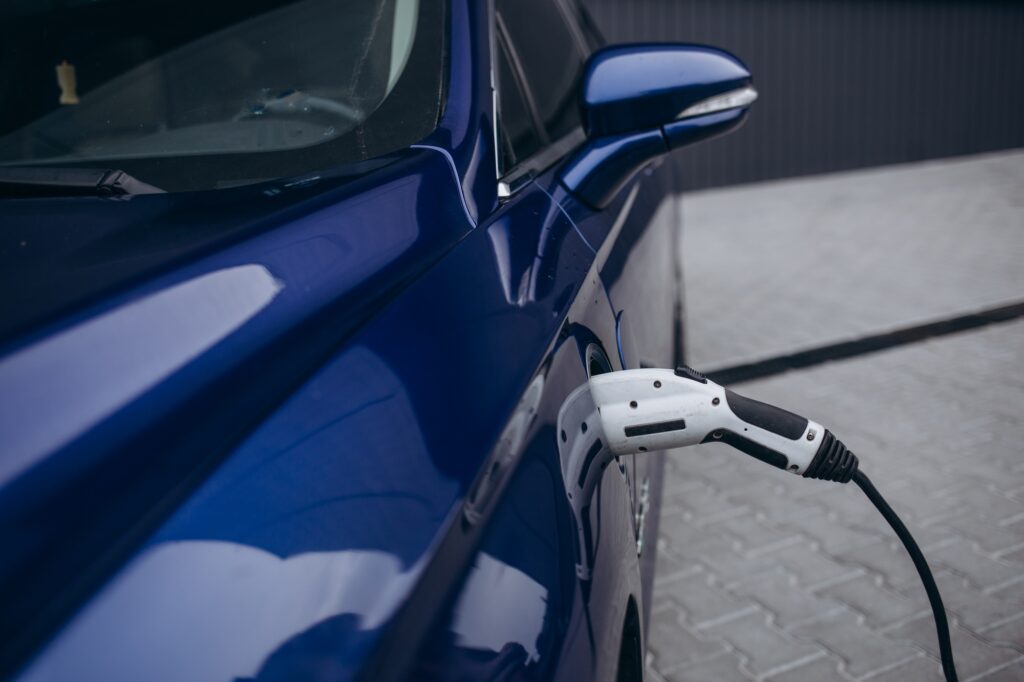
Electric vehicles are becoming a more common sight across the UK, and with that comes a key question for drivers: should you rely on public charging or invest in a home EV charger?
At first glance, public charging may seem convenient. Chargers are available in supermarkets, service stations, and city centres. But over time, many EV owners find that installing a home charger offers better control, lower costs, and a more seamless driving experience.
SKCG Renewable Energy installs EV charging points alongside Solar PV and battery storage systems for homes and businesses, helping property owners create efficient, future-ready energy setups.
The decision comes down to how you use your vehicle, your daily routine, and how much value you place on convenience and long-term savings.
What is public EV charging?
Public EV charging refers to charging stations located outside your home. These can include:
- Rapid chargers at motorway services
- Chargers in supermarket car parks
- Workplace charging points
- On-street or council-installed chargers
Public charging is essential for long journeys and for drivers who cannot install a charger at home. It plays an important role in the UK’s EV infrastructure.
However, relying solely on public charging can come with a few limitations.
The downsides of relying on public charging
Public charging works, but it is not always the most efficient or cost-effective option for daily use.
Here are some of the common challenges:
- Higher costs per kWh compared to home charging
- Waiting times during busy periods
- Availability issues in certain areas
- Time spent travelling to and from charging points
- Inconsistent charging speeds depending on the charger type
For many EV owners, these small inconveniences add up over time.
What is home EV charging?
A home EV charger is a unit installed at your property that allows you to charge your vehicle directly from your own electricity supply.
Instead of planning trips around charging stations, you simply plug in your vehicle when you get home. Charging usually happens overnight, so your car is ready to go the next day.
This setup offers a more consistent and predictable experience.
Key benefits of installing a home EV charger
For most drivers, home charging becomes the preferred option once it is available.
1. Convenience
Charging at home removes the need to visit public stations regularly.
You can:
- Plug in your car at the end of the day
- Charge overnight while you sleep
- Start each morning with a full battery
There is no need to queue, wait, or plan your schedule around charging.
2. Lower running costs
Home charging is typically cheaper than public charging, especially if you take advantage of off-peak electricity tariffs.
Charging overnight can significantly reduce the cost per mile compared to using rapid chargers.
If you combine your EV charger with solar panels, the savings can be even greater by using your own generated electricity.
3. Faster everyday charging (in practical terms)
While rapid public chargers can deliver faster top-ups, home chargers provide reliable charging that fits into your routine.
Instead of waiting at a station for a fast charge, your car charges gradually overnight. This often feels faster because it happens in the background without disrupting your day.
4. Better battery care
Regular, steady charging at home can be gentler on your vehicle’s battery compared to frequent rapid charging. This can support long-term battery performance.
5. Increased property appeal
As EV ownership continues to grow, having a home charger can make your property more attractive to future buyers or tenants.
When public charging still makes sense
Even if you install a home charger, public charging still has its place.
You will likely rely on public charging when:
- Travelling long distances
- Taking road trips
- Visiting areas outside your usual driving range
- Needing a quick top-up during the day
A balanced approach often works best. Use home charging for daily needs and public charging for flexibility when needed.
Cost comparison: Home vs public charging
Cost is one of the biggest factors when deciding whether to install a home charger.
Home charging
- Lower cost per kWh
- Ability to use off-peak tariffs
- Potential to integrate with solar panels
- Predictable and stable pricing
Public charging
- Higher cost per kWh, especially for rapid chargers
- Prices vary depending on location and provider
- Convenience fees in some cases
Over time, regular public charging can cost significantly more than charging at home.
Is a home charger worth it financially?
In many cases, yes.
The upfront cost of installing a home EV charger is offset over time through lower charging costs and added convenience. The more you drive, the more value you are likely to see.
A home charger becomes especially worthwhile if:
- You drive daily or commute regularly
- You own your property or have permission to install
- You want predictable and lower running costs
- You are planning to keep your EV long-term
For many drivers, the long-term savings and ease of use make the investment worthwhile.
Pairing EV charging with solar panels
One of the most efficient setups is combining a home EV charger with solar panels.
This allows you to:
- Charge your vehicle using renewable energy
- Reduce reliance on grid electricity
- Lower overall energy costs
- Make your home more energy independent
If you also include battery storage, you can store excess solar energy and use it to charge your vehicle later. This creates a more complete and efficient system.
For homeowners and businesses looking ahead, this combination offers strong long-term value.
What to consider before installing a home charger
Before moving forward, it is important to look at a few practical factors.
Property suitability
- Do you have off-street parking?
- Is there space for charger installation?
- Is your electrical system suitable for upgrade if needed?
Charging needs
- How often do you drive?
- What is your daily mileage?
- Do you need fast charging at home or standard overnight charging?
Future plans
- Are you planning to install solar panels?
- Will your household have more than one EV?
- Are you thinking about upgrading your energy system in the future?
A professional installer can assess these factors and recommend the right setup.
Why professional installation matters
Installing an EV charger is not just about fitting a unit to a wall. It involves ensuring electrical safety, compliance, and long-term reliability.
A qualified installer will:
- Assess your property and energy supply
- Recommend the right charger type
- Ensure safe and compliant installation
- Set up the system for efficient use
- Advise on integration with solar or battery systems
This ensures your charger works efficiently from day one.
So, is it worth installing a home charger?
For most EV owners, the answer is yes.
Home charging offers:
- Greater convenience
- Lower long-term costs
- Better control over energy use
- A smoother daily routine
Public charging still plays an important role, but it is best used as a supplement rather than your primary charging method.
If you want a more efficient and stress-free EV experience, a home charger is often one of the best upgrades you can make.
Speak to SKCG Renewable Energy
If you are considering installing a home EV charger or want to combine EV charging with solar panels, SKCG Renewable Energy can help design a system that suits your property and your needs.
Their team provides expert installation of EV charging points, Solar PV systems, and battery storage for homes and businesses across Essex and the UK.
Call 0203 968 68 69 or email info@skcg-renewable-energy.co.uk to discuss your EV charging options and get started with a smarter energy solution.