
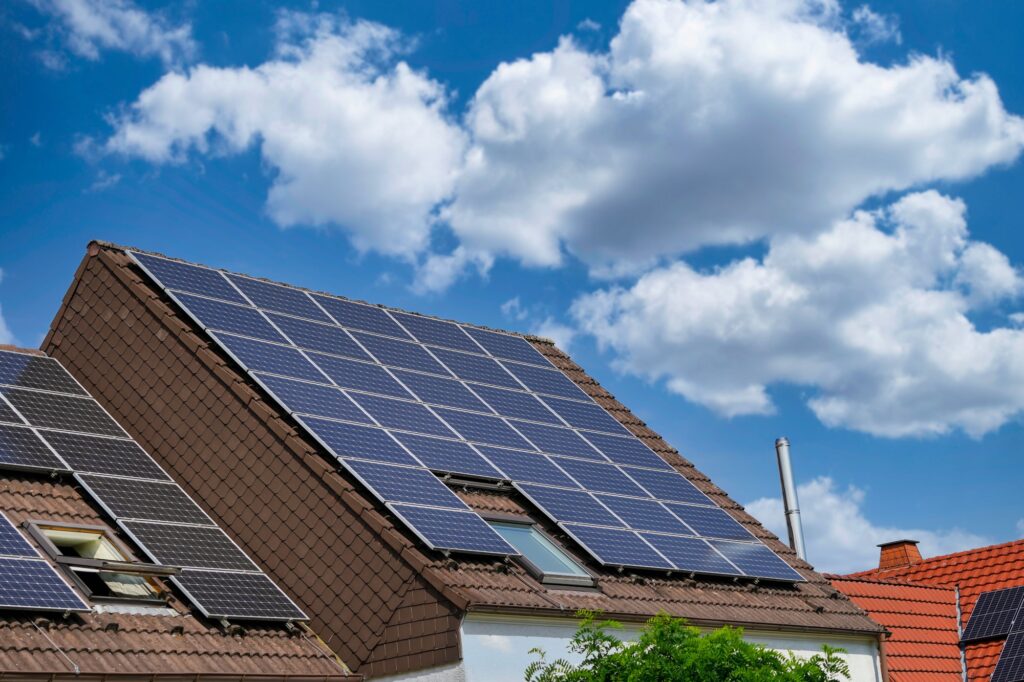
Domestic solar PV installation is a structured and efficient process that allows homeowners to generate renewable electricity from sunlight. From the initial consultation and property survey through to installation, testing, and activation, most residential solar systems are straightforward to install and designed for long term performance. Working with experienced installers such as SKCG Renewable Energy ensures your system is safely installed, fully compliant with UK regulations, and optimised to deliver reliable energy savings for many years.
Introduction
Domestic solar PV systems are becoming increasingly popular across the UK as homeowners look for sustainable ways to manage rising energy costs and reduce their environmental impact. Solar photovoltaic technology converts natural daylight into electricity that can power homes, charge electric vehicles, and reduce reliance on energy suppliers.
For many homeowners, the idea of installing solar panels can feel complex or unfamiliar. However, the process is carefully managed and follows a clear step by step structure carried out by qualified renewable energy specialists. Understanding what to expect during installation helps homeowners feel confident when transitioning to solar energy.
What Is a Domestic Solar PV System?
A domestic solar PV system is designed to generate electricity for residential properties. The system typically includes solar panels, an inverter, mounting equipment, electrical wiring, and optional battery storage. Together, these components work to capture sunlight, convert it into electricity, and supply power directly to your home.
Solar panels are normally installed on rooftops where they can receive the greatest amount of daylight. When several panels are connected, they create a solar array capable of generating significant levels of electricity for everyday household use.
Stage 1: Initial Consultation and Site Survey
The solar installation process begins with an initial consultation and detailed property assessment. During this stage, renewable energy specialists evaluate whether your home is suitable for solar panel installation.
Several key factors are assessed during the survey. Installers review the direction your roof faces, available roof space, and whether nearby trees or buildings create shading. South facing roofs generally provide the highest energy generation in the UK, although east and west facing roofs can also perform effectively when designed correctly.
The survey also examines roof condition and structural integrity. Installers must confirm that the roof can safely support the solar panel system for its expected lifespan. This stage ensures that your solar installation is both safe and capable of delivering strong energy performance.
Stage 2: Energy Assessment and System Design
Once suitability is confirmed, installers analyse your household energy consumption. Understanding how and when electricity is used allows specialists to design a solar PV system tailored to your property and energy needs.
During this stage, installers determine the number of panels required, the most suitable panel type, and inverter specifications. They also assess whether battery storage would benefit your property by storing excess solar electricity for later use.
A customised system design ensures maximum efficiency, improved financial savings, and long term performance. Professional design also helps prevent over installation or under installation, both of which can affect system efficiency and cost effectiveness.
Stage 3: Planning Permission and Regulatory Compliance
In most cases, domestic solar PV installations in the UK fall under permitted development rights. This means planning permission is usually not required for standard installations. However, additional approvals may be needed if your property is located within a conservation area or is a listed building.
Professional installers typically manage planning requirements and regulatory compliance on behalf of homeowners. Installations must comply with UK building regulations and electrical safety standards. Installers also submit necessary notifications to the local Distribution Network Operator to ensure your system can safely connect to the electricity network.
This stage ensures your solar system meets all legal and safety requirements before installation begins.
Stage 4: Installation Preparation and Safety Arrangements
Before physical installation begins, installers prepare the property and implement safety measures. Scaffolding is often erected to provide safe roof access for installation teams. Although this may seem like a small step, it is essential for protecting both installers and property structures.
Installers also check roof tiles, remove debris, and prepare installation areas to ensure panels can be securely mounted. Proper preparation helps prevent installation delays and ensures the system is fitted safely and efficiently.
Stage 5: Mounting System Installation
The mounting system forms the structural base for solar panels. Installers attach specialised brackets directly to roof rafters to ensure panels remain secure during strong winds and changing weather conditions.
Mounting equipment positions solar panels at the optimal angle to capture maximum sunlight throughout the year. Correct positioning is essential for ensuring long term performance and energy output.
Mounting systems are designed to be weather resistant and durable, allowing solar panels to remain securely attached for decades.
Stage 6: Solar Panel Installation
Once mounting systems are in place, solar panels are carefully lifted onto the roof and secured to the framework. Panels are positioned according to the system design to ensure efficient sunlight absorption.
Each panel is connected to form a complete solar array. Installers use specialised clamps and fixings to secure panels while maintaining safe spacing between units. This spacing allows for airflow, helping maintain panel efficiency and temperature control.
This stage represents the most visible part of the installation process and is usually completed within one or two days for most residential properties.
Stage 7: Electrical Wiring and Inverter Installation
Solar panels generate direct current electricity. Most household appliances operate using alternating current electricity, so the solar system must include an inverter to convert energy into usable power.
Installers connect solar panels to the inverter using carefully routed electrical wiring. The inverter is typically installed in a loft, garage, or utility space where it can operate safely and efficiently.
Professional electricians ensure wiring is weather protected, correctly insulated, and fully compliant with UK electrical safety standards. This stage ensures electricity generated by solar panels can safely power your home.
Stage 8: Solar Battery Storage Installation
Many homeowners choose to include battery storage with their solar PV system. Solar batteries store excess electricity generated during daylight hours, allowing energy to be used during evenings or low sunlight periods.
Battery storage increases energy independence and can help homeowners reduce reliance on grid electricity. It also allows households to maximise the use of renewable energy and increase long term cost savings.
Battery systems are installed alongside inverters and connected directly to the solar PV system for seamless energy storage and distribution.
Stage 9: Grid Connection and Export Setup
Once installation is complete, the solar PV system is connected to your property’s electrical supply and the National Grid. Installers ensure all electrical connections meet safety requirements and regulatory standards.
Homeowners can often register for the Smart Export Guarantee, which allows surplus electricity generated by solar panels to be exported to the grid in exchange for financial payments. This can provide additional income and improve the overall value of solar installation.
Professional installers manage documentation and approval processes to ensure grid connection is completed smoothly.
Stage 10: Testing and System Commissioning
System testing and commissioning ensure your solar PV installation operates safely and efficiently. Installers perform detailed checks on electrical connections, inverter performance, and overall system output.
Testing confirms that the solar system meets industry safety regulations and operates at expected performance levels. Once testing is complete, installers provide certification and documentation confirming system compliance and warranty coverage.
Homeowners are also guided through system operation and monitoring tools, helping them understand how to track solar energy generation and consumption.
Monitoring and Maintaining Your Solar PV System
After installation, homeowners can monitor solar system performance using digital monitoring platforms. These systems allow homeowners to track energy production, electricity consumption, and battery storage levels in real time.
Solar panels require minimal maintenance. Occasional cleaning and routine inspections help maintain performance and ensure long term efficiency. Most solar PV systems continue operating effectively for more than twenty five years.
How Long Does Domestic Solar Installation Take?
The full solar installation journey typically involves planning, design, approval, and installation stages. Planning and design can take several weeks depending on property requirements and regulatory approvals.
The physical installation of solar panels usually takes between one and three days for most residential properties. Final grid connection and system activation may take additional time depending on network approvals.
Overall, the process is efficient and carefully managed to minimise disruption to homeowners.
Benefits of Domestic Solar PV Installation
Installing solar panels provides several important benefits for UK homeowners.
Reduced Energy Bills
Solar panels allow homeowners to generate electricity directly from sunlight, reducing reliance on energy suppliers and lowering monthly energy costs.
Environmental Sustainability
Solar energy reduces carbon emissions and supports national sustainability goals by replacing fossil fuel generated electricity.
Increased Property Value
Properties with solar installations are often more attractive to buyers due to long term energy savings and environmental benefits.
Energy Independence
Solar battery storage allows homeowners to store and use renewable electricity, reducing dependence on the National Grid.
Why Professional Installation Matters
Solar PV installation requires specialised technical expertise and compliance with strict safety standards. Professional installers ensure systems are designed for maximum efficiency and installed according to UK regulations.
Professional installation reduces safety risks, protects manufacturer warranties, and ensures long term reliability. Expert installers also provide ongoing support and maintenance services to ensure solar systems continue operating efficiently.
Why Choose SKCG Renewable Energy
SKCG Renewable Energy provides customised solar PV installations tailored to homes across Essex and London. Their team specialises in solar panels, battery storage systems, and EV charging installations designed to maximise renewable energy efficiency.
With professional expertise and customer focused service, SKCG Renewable Energy helps homeowners transition to sustainable energy solutions that reduce costs and environmental impact.
Conclusion
Domestic solar PV installation provides a reliable and environmentally responsible way to generate electricity and reduce long term energy costs. If you are considering installing solar panels, visit SKCG Renewable Energy to learn more about renewable energy solutions. To speak with experienced specialists or arrange a consultation, contact us and begin your journey towards cleaner and more efficient energy.