
As energy costs continue to rise and climate concerns become more pressing, future-proofing your home energy setup has never been more important. Homeowners are increasingly looking at renewable energy solutions to reduce electricity consumption, cut bills, and make a positive environmental impact. Installing the right systems in the right order ensures efficiency, cost savings, and long-term performance. By understanding your annual electricity consumption and how different technologies interact, you can make informed decisions that prepare your home for the future.
For guidance on upgrading your energy setup efficiently, contact SKCG Renewable today to book a demo or consultation with our experts.
Annual Electricity Consumption
Annual electricity consumption refers to the total amount of energy your household uses in a year, usually measured in kilowatt-hours (kWh). You can calculate it from your energy bills by adding up your monthly consumption over the past 12 months. Typical UK households use between 3,000 kWh and 4,500 kWh annually, although this varies depending on factors such as the size of your home, the number of occupants, and the types of appliances in use. Electric vehicles or high-demand appliances like heat pumps can significantly increase consumption, making accurate measurement crucial for planning.
What Solar Panel Wattage Means
A solar panel’s rated wattage, such as 350 W, 400 W, or 450 W, represents the maximum power it can produce under ideal laboratory conditions. In real-world UK conditions, actual output differs due to sunlight variability, roof orientation, pitch, shading, and system losses such as inverter inefficiency. Understanding this difference is vital when determining how many panels you need to meet your energy demands efficiently.
Roof Orientation, Tilt, and Shading
Your roof’s orientation, tilt, and potential shading directly affect the amount of energy your solar panels can generate. South-facing roofs typically capture the most sun hours, while east or west-facing surfaces may yield slightly less. Roof angle influences how sunlight strikes the panels throughout the day, and even partial shading from chimneys or trees can reduce overall performance. Each solar panel occupies several square metres of roof space, so careful planning is necessary to ensure you have enough area for an efficient system.
Planning your home energy setup can seem complex, but SKCG Renewable simplifies the process. Our team assesses your roof space, electricity consumption, and lifestyle needs to recommend the most effective solution for long-term savings and sustainability. With expert guidance, you can install a system that maximises solar output, reduces bills, and prepares your home for future energy demands.
Book a consultation with SKCG Renewable today and start future-proofing your home with confidence.
Here is a revised blog post section in a professional yet slightly friendly and persuasive tone, following your outline.
Prioritising Insulation and Airtightness: The Foundation for Energy Efficiency
When you invest in a future‑proof home. insulation and airtightness should come first. These are the essential building blocks that ensure your home remains comfortable and energy efficient no matter what heating system or renewable energy you add later.
Loft Insulation
Loft insulation is often the first and most cost‑effective upgrade. Without proper insulation, a substantial portion of heat can escape through the roof space. By insulating the loft, you significantly reduce heat loss and help keep rooms warmer in winter while saving on heating costs over time.
Wall Insulation and Floor Insulation
Walls and floors are just as important. Whether your home has cavity walls or solid walls, insulation can make a major difference. Cavity wall insulation helps trap heat that would otherwise escape through the walls. For older solid‑walled homes, more extensive insulation work can dramatically improve thermal performance. Floor insulation also prevents cold air from seeping up from beneath floors, making living spaces more comfortable and consistent in temperature.
Windows and Doors Upgrade — Glazing and Draught‑proofing
Windows and doors are often the weakest points in a home’s thermal envelope. Upgrading to double or triple glazing and ensuring proper sealing and draught‑proofing can reduce significant heat loss. Modern glazing reduces heat loss versus single glazing, improves comfort, and cuts down on unnecessary heating demand. Insulating doors and sealing gaps around frames also improve overall energy performance.
A well‑insulated and airtight home means less energy is needed to keep indoor temperatures stable. This not only lowers energy consumption and reduces energy bills, it also supports any sustainable or renewable energy upgrades you might plan.
Upgrading Heating, Controls and Smart Energy Systems
Upgrading your heating and energy systems is one of the most effective ways to reduce energy consumption, lower costs, and enhance overall comfort in your home. As energy efficiency standards rise and the demand for low-carbon solutions grows, a proactive approach now ensures your home is ready for future energy challenges. Modern heating systems, advanced controls, and smart energy technology work together to optimise energy use, improve indoor comfort, and contribute to a more sustainable household.
Low-Carbon Heating Solutions
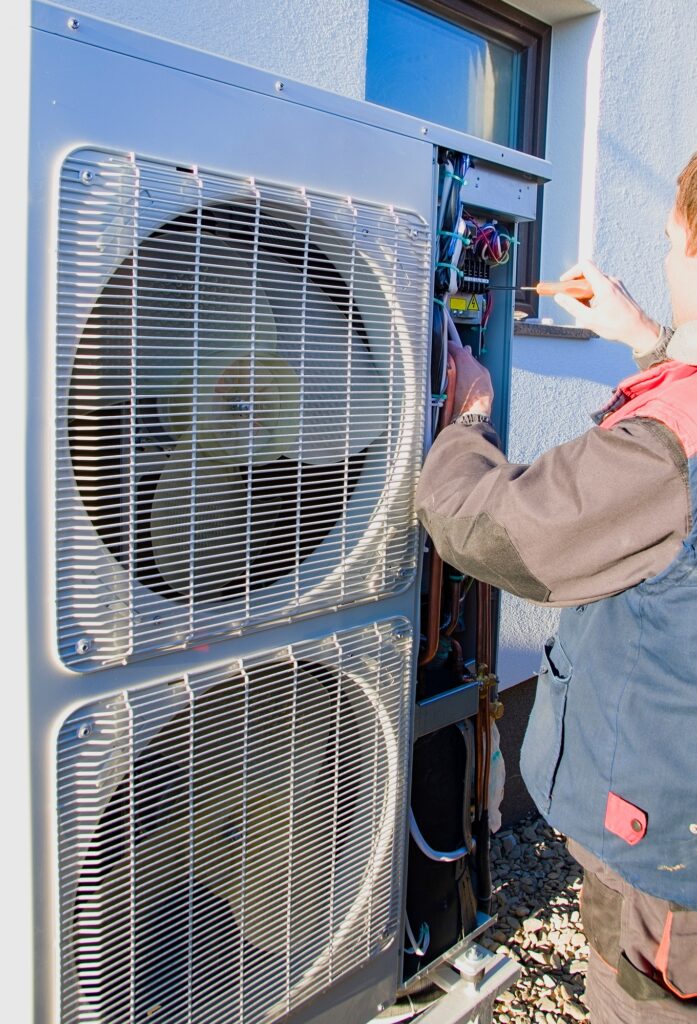
If your home still relies on an old gas or electric boiler, upgrading to a low-carbon heating system can have a major impact. Heat pumps, for instance, provide energy-efficient heating and cooling by utilising renewable sources. They work best in well-insulated homes, so ensuring walls, roofs, and floors are properly insulated is essential for maximum efficiency.
Other low-carbon alternatives include biomass boilers and hybrid systems, which combine traditional and renewable technologies to reduce emissions. Replacing outdated heating systems not only reduces running costs but also aligns your home with evolving energy regulations and sustainability goals.
Smart Thermostats and Heating Controls
Smart thermostats and advanced heating controls play a pivotal role in optimising energy use. These systems can:
- Program heating schedules to match daily routines
- Adjust temperatures automatically when rooms are unoccupied
- Learn household habits over time for improved efficiency
- Be controlled remotely via smartphone apps
Ventilation and Indoor Air Quality
When upgrading heating and improving airtightness, maintaining good ventilation is essential. Poor ventilation can trap moisture, leading to dampness, mould growth, and unhealthy air. Integrating controlled ventilation systems such as mechanical ventilation with heat recovery (MVHR) ensures fresh air circulates efficiently without sacrificing energy performance. Additionally, regular maintenance of heating and ventilation systems prevents dust buildup, improves air quality, and contributes to a healthier indoor environment.
Planning for the Future
Modernising your heating and energy controls prepares your home for future energy demands. With energy costs fluctuating and renewable energy becoming more prevalent, homes equipped with efficient, adaptable systems will be better positioned for long-term savings and sustainability. Future-proofing strategies can include:
- Oversizing systems slightly to accommodate new appliances or electric vehicles
- Installing flexible controls that integrate with smart home energy management
- Considering hybrid systems that can adapt to evolving energy sources
Renewable Energy and Generation: Solar Panels, Storage and Future-Ready Tech
As energy prices rise and environmental concerns grow, more UK homeowners are turning to renewable energy solutions that reduce reliance on grid electricity while promoting sustainability. Solar panels and energy storage systems are among the most popular options, allowing households to generate, store, and manage their own electricity efficiently.
However, to get the maximum benefit, these systems should ideally be installed after upgrading home insulation and heating. Improving energy efficiency first ensures that renewable generation works at its full potential, reduces wasted energy, and lowers overall system costs. This approach not only makes financial sense but also aligns with a long-term strategy for a low-carbon, future-ready home.
Solar PV Panel Installation
Solar photovoltaic panels convert sunlight directly into electricity, providing a reliable and sustainable energy source. A well-designed solar panel system reduces dependence on grid electricity, helping to lower monthly bills and shield homeowners from future energy price increases. By generating your own electricity, you are also reducing your household’s carbon footprint, contributing to the wider goal of a greener environment.
- Optimal roof orientation and exposure to sunlight are key for maximum efficiency. South-facing roofs typically perform best, but east and west-facing options can also generate significant energy.
- The number of panels required depends on annual electricity consumption, roof space, and the household’s energy usage patterns.
- Some homeowners can benefit from government-backed schemes to export surplus electricity, creating potential income while supporting the wider grid.
Energy Storage and Battery Systems
Pairing solar panels with a battery storage system allows households to store excess electricity for use when solar generation is low, such as at night or on overcast days. This increases energy independence and ensures a more consistent supply of power.
- Batteries maximise self-consumption and minimise reliance on grid electricity.
- They provide opportunities to participate in export or feed-in schemes, which can offer financial returns.
- Integration with electric vehicles and smart home energy management systems positions your home for future energy trends, offering flexibility and convenience.
Why Insulation and Heating Upgrades Come First
Renewable energy systems deliver the most value in well-insulated homes with efficient heating systems. Without proper insulation and modern heating, much of the energy generated may be wasted.
- Upgrading insulation, double glazing, and heating systems reduces overall energy demand.
- Homes that retain heat efficiently require smaller solar and storage systems to meet energy needs, lowering installation costs.
- Combining efficiency upgrades with renewable generation ensures a faster return on investment and a more sustainable household.
Expert Renewable Energy Solutions for UK Homes
Looking to make your home greener and save on energy bills? SKCG Renewable offers renewable energy solutions that make it easy. Our team installs solar panels and battery storage systems designed to maximise your self-generated electricity and take advantage of sun hours throughout the year. With insulation and heating upgrades in place, your home runs more efficiently, reducing energy waste and cutting costs.
SKCG Electrical is here to help from start to finish. Call 0203 968 68 69, email info@skcg-renewable-energy.co.uk, or visit skcg-renewable-energy.co.uk to create a home that’s ready for the energy future.