
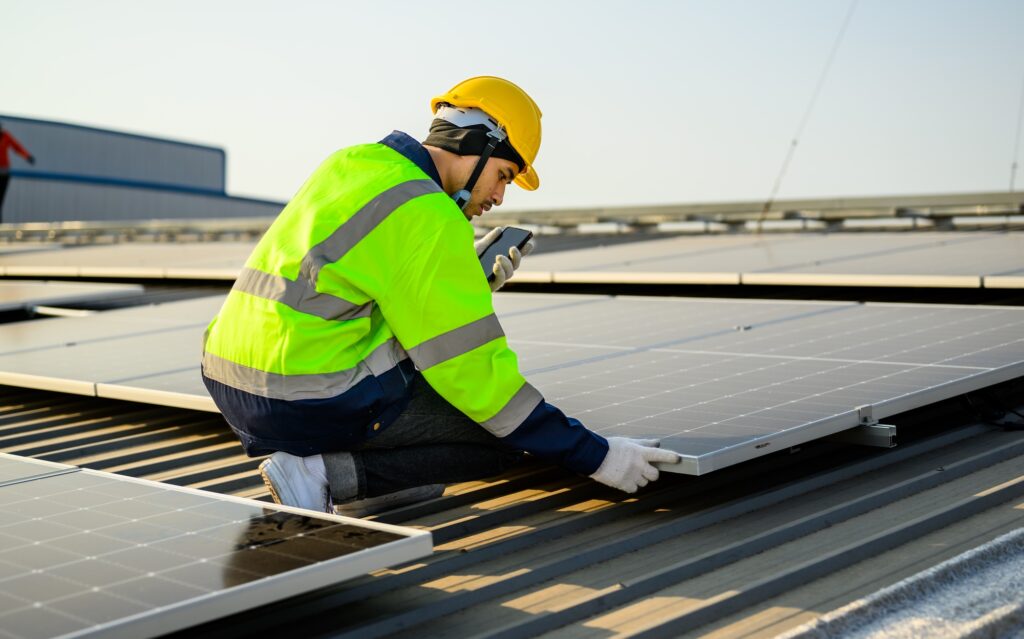
Solar batteries significantly improve your home’s energy independence by allowing you to store and use more of the electricity your solar panels generate. Instead of relying on the national grid during evenings, peak pricing periods, or power interruptions, a battery enables your home to operate on its own renewable energy. This reduces exposure to rising electricity costs, increases resilience during outages, and gives homeowners far greater control over how and when their energy is used.
Why Energy Independence Is Becoming a Priority
Energy independence is no longer a niche concept. With electricity prices remaining unpredictable and demand on the UK grid increasing, many homeowners are looking for ways to reduce reliance on external energy suppliers. Solar panels have already helped thousands of properties generate clean electricity, but without storage, much of that power is lost back to the grid.
Solar battery storage changes this. By storing excess electricity generated during the day, homeowners can use their own energy later, especially during evenings when demand is highest. This shift from exporting energy to consuming it directly is what transforms solar from a cost-saving solution into a true energy independence system.
At SKCG Renewable Energy, we help homeowners across Essex, London, and surrounding areas design solar and battery systems that deliver long-term control, resilience, and financial stability.
What Is Energy Independence in a Home Context?
Energy independence means reducing your home’s reliance on the national electricity grid by producing, storing, and using your own power. It does not necessarily mean disconnecting from the grid entirely, but rather limiting how much electricity you need to buy from energy suppliers.
For most households, energy independence includes:
- Using self-generated electricity for daily needs
- Reducing grid imports during peak times
- Protecting against price rises
- Maintaining power during short outages
- Having predictable, controllable energy costs
Solar batteries are essential to achieving this level of independence because they allow energy to be used when it is needed, not just when it is generated.
How Solar Batteries Work with Solar Panels
Solar panels generate electricity during daylight hours, often producing more energy than a household needs at that time. Without a battery, this excess electricity is exported to the grid.
A solar battery stores that surplus energy instead. Once the sun sets or demand increases, the battery discharges stored electricity back into the home. This creates a closed energy loop where more power is generated, stored, and consumed on site.
This process allows households to:
- Use solar energy in the evening
- Reduce grid dependence overnight
- Avoid buying electricity at peak prices
- Make better use of renewable energy year-round
Why Solar Panels Alone Don’t Deliver Full Independence
While solar panels reduce electricity bills, they do not provide full energy independence on their own. This is because most household energy use happens outside peak solar generation hours.
Without a battery:
- Excess daytime energy is exported
- Evening electricity must be bought from the grid
- Price exposure remains high
- Power cuts still affect the property
A battery bridges this gap by shifting solar energy availability from daytime to whenever it is needed most.
Key Ways Solar Batteries Improve Energy Independence
1. Reduced Reliance on the National Grid
Solar batteries significantly lower how much electricity your home needs to import. By using stored solar energy instead of grid electricity, households can cut grid reliance by a substantial margin.
In many homes, this results in:
- Lower monthly electricity bills
- Less sensitivity to supplier price changes
- Greater control over energy usage patterns
For properties with higher evening energy use, the reduction in grid dependency can be especially noticeable.
2. Greater Use of Self-Generated Renewable Energy
Without a battery, a large portion of solar energy goes unused by the home itself. Battery storage allows that energy to be captured and reused later.
This increased self-consumption:
- Maximises the value of your solar system
- Improves return on investment
- Reduces wasted renewable energy
- Strengthens energy independence year-round
3. Protection from Rising Energy Prices
Electricity prices are influenced by global markets, infrastructure demand, and policy changes. When prices rise, households without storage feel the impact immediately.
Solar batteries help protect against this by:
- Reducing how much electricity you buy
- Allowing stored energy to replace expensive imports
- Creating predictable long-term energy costs
Each unit of stored solar energy is one less unit purchased at an uncertain price.
4. Energy Availability During Power Cuts
Many modern battery systems offer backup power functionality. During a grid outage, the battery can continue supplying electricity to essential circuits in the home.
This provides:
- Continued lighting and refrigeration
- Operation of heating controls and internet routers
- Peace of mind during outages
- Improved household resilience
For homes in areas prone to weather-related interruptions, this feature is particularly valuable.
5. Smarter Energy Use with Time-Based Tariffs
Energy independence is not just about solar generation. Batteries can also work with time-of-use tariffs, allowing households to store cheaper electricity for later use.
This flexibility allows homeowners to:
- Charge batteries when energy is cheapest
- Avoid importing power during peak pricing
- Combine solar and tariff savings for maximum benefit
When managed correctly, this approach further reduces dependence on the grid.
6. Future-Proofing for Electric Vehicles and Electrification
As homes transition toward electric heating and electric vehicles, electricity demand is set to increase. Solar batteries help manage this transition by providing stored energy for charging and heating without increasing grid reliance.
Battery storage supports:
- Home EV charging using solar power
- Increased electricity demand without higher bills
- Long-term adaptability as energy needs evolve
How Much Energy Independence Can You Achieve?
The level of independence achieved depends on several factors:
- Size of the solar panel system
- Battery capacity
- Household energy usage
- Efficiency of appliances
- Seasonal energy demand
Many UK households with properly sized systems can reduce grid reliance by 60 to 80 percent or more. While complete independence is rare, significant reduction in grid dependence is achievable and practical.
Choosing the Right Solar Battery System
To maximise energy independence, system design is critical.
Battery Capacity
Measured in kilowatt hours, capacity determines how much energy can be stored. Larger homes or higher evening usage typically require larger batteries.
System Compatibility
The battery must integrate seamlessly with the solar panels and inverter. Poor compatibility can reduce efficiency and independence benefits.
Backup Capability
Not all batteries provide power during outages. If resilience is important, this feature should be specified during system design.
Scalability
Some systems allow additional batteries to be added later, supporting future energy needs without full replacement.
Working with an experienced installer ensures the system matches your property’s requirements.
Environmental Benefits of Energy Independence
Energy independence is not only a financial advantage. Using more self-generated renewable electricity reduces reliance on fossil-fuel-based grid energy.
This results in:
- Lower household carbon emissions
- Reduced demand on national infrastructure
- Greater contribution to UK sustainability targets
- Cleaner energy usage at a local level
Every unit of stored solar energy used at home contributes to a greener energy system.
Real-World Example of Daily Energy Independence
During the day, solar panels generate electricity while household demand is low. Excess energy charges the battery. In the evening, when lights, appliances, and heating are in use, the battery supplies stored energy instead of importing from the grid.
This cycle repeats daily, steadily reducing grid dependence, lowering bills, and increasing energy control. Over time, the benefits become both financially and practically significant.
Is Solar Battery Storage Right for Every Home?
While solar batteries offer strong benefits, suitability depends on:
- Energy usage patterns
- Available roof space for panels
- Budget considerations
- Long-term plans for the property
Homes with higher evening electricity use, rising bills, or future electrification plans benefit the most. Professional assessment ensures realistic expectations and optimal system performance.
How SKCG Renewable Energy Supports Homeowners
At SKCG Renewable Energy, we specialise in designing and installing solar and battery storage systems tailored to each property. Our approach focuses on:
- Accurate energy usage assessment
- Correct battery sizing
- High-quality installation
- Long-term performance and reliability
We work with homeowners across Essex and London to ensure systems deliver real energy independence rather than theoretical savings.
Conclusion
Solar batteries play a critical role in improving your home’s energy independence. By storing excess solar electricity and making it available when needed, they reduce reliance on the national grid, protect against rising energy costs, and increase resilience during power cuts. For homeowners seeking long-term control over their energy use, battery storage is a practical and future-ready solution.
If you are considering solar battery storage or want to understand how it could improve your home’s energy independence, speak with the experts at SKCG Renewable Energy. Contact us to arrange a consultation and receive tailored advice for your property.