
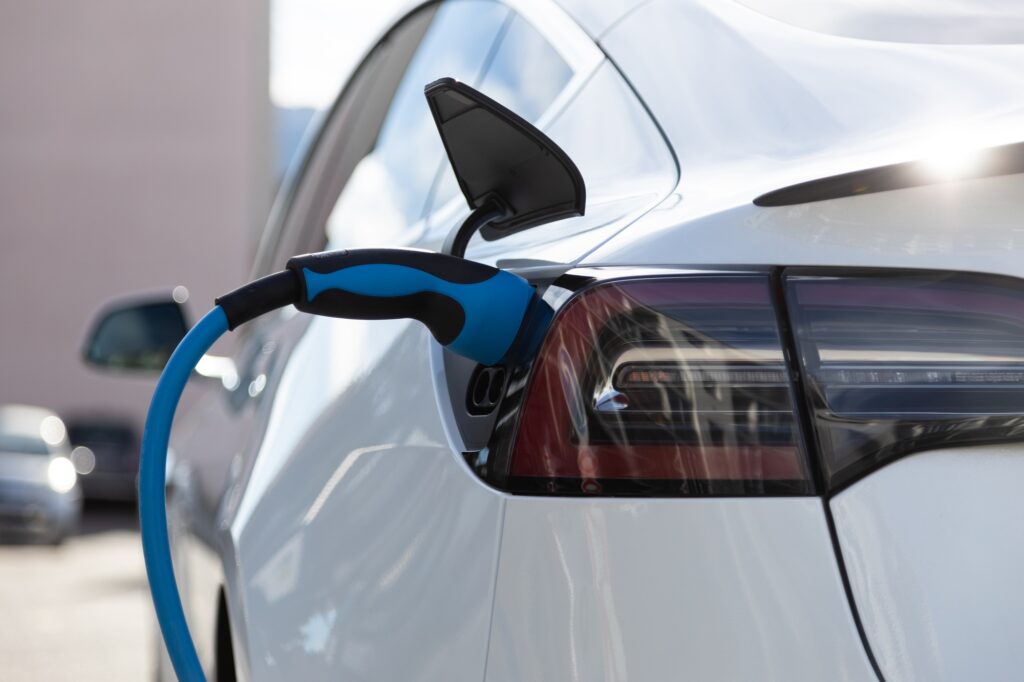
Yes, EV chargers are increasingly considered a strong long term investment for commercial properties. As electric vehicles become more common across the UK, demand for convenient charging locations continues to grow. Commercial buildings that offer EV charging stations can benefit from increased property value, improved tenant attraction and retention, and new revenue opportunities.
For property owners, developers, and businesses, EV charging infrastructure is quickly becoming a modern building feature rather than an optional amenity. Businesses that install EV chargers today are positioning their properties for future transport trends while supporting sustainability goals.
Companies such as SKCG Renewable Energy help commercial property owners install reliable EV charging infrastructure designed to support long term energy efficiency and business growth.
The Growing Demand for EV Charging Infrastructure
Electric vehicles are becoming a major part of the UK’s transport system. Government policies encouraging cleaner energy, improved battery technology, and greater consumer awareness of environmental issues have all contributed to the rapid growth of EV ownership.
As more drivers switch to electric vehicles, access to charging points becomes an essential part of daily travel. Drivers increasingly look for locations where they can charge their vehicles while working, shopping, or staying overnight.
This change in driver behaviour has created a new opportunity for commercial properties. Buildings that offer EV charging are more likely to attract visitors, tenants, and employees who rely on electric vehicles.
For commercial property owners, EV charging infrastructure represents a way to future proof their buildings while responding to the evolving needs of modern transportation.
Increasing Commercial Property Value
One of the most compelling reasons to install EV chargers is the potential to increase property value.
Commercial buildings equipped with EV charging infrastructure are often seen as more modern and desirable. Tenants and investors increasingly prioritise buildings that offer sustainable features and support electric vehicle use.
Properties with EV chargers may benefit from:
- Increased property value
- Greater appeal to tenants and investors
- Improved competitiveness in the commercial property market
As electric vehicle adoption continues to grow, buildings without charging facilities may struggle to remain competitive. Installing chargers now ensures that a property remains attractive as transport technology evolves.
For property developers, EV charging infrastructure is becoming an important component of sustainable building design.
Creating New Revenue Streams
EV chargers can also provide a direct source of income for commercial properties.
Businesses can charge drivers for electricity usage, creating a new revenue stream from parking spaces that previously generated little or no additional income.
Charging revenue models typically include:
- Pay per kilowatt hour charging
- Time based charging fees
- Monthly charging subscriptions for tenants
- Charging access bundled with parking fees
In busy locations, EV chargers can generate consistent revenue while improving the overall value of the property.
For example, a retail centre with charging stations may earn income from charging fees while also increasing customer spending inside stores.
Over time, these combined benefits can significantly improve the financial performance of commercial properties.
Attracting and Retaining Tenants
Tenant expectations are changing rapidly as sustainability and modern infrastructure become more important in property selection.
Many businesses now consider EV charging facilities when choosing office locations or commercial premises. Providing charging stations allows landlords to meet these expectations while strengthening their property’s appeal.
EV chargers can help property owners:
- Attract environmentally conscious tenants
- Retain tenants who drive electric vehicles
- Reduce vacancy rates
- Improve tenant satisfaction
Employers are also increasingly interested in supporting employees who commute using electric vehicles. Workplace charging can therefore become an attractive feature that improves employee experience.
For landlords and property managers, these benefits can lead to longer lease agreements and stronger tenant relationships.
Increasing Customer Traffic for Businesses
For retail and hospitality properties, EV charging stations can help increase visitor traffic.
Electric vehicle drivers frequently choose locations where they can charge their vehicles while completing other activities. This means businesses with charging stations are more likely to attract EV drivers looking for convenient charging opportunities.
Businesses that benefit from increased traffic include:
- Shopping centres and retail parks
- Supermarkets
- Restaurants and cafés
- Hotels and accommodation providers
When drivers charge their vehicles, they usually remain at the location while waiting for the charging process to complete. This extended visit often leads to additional spending on products or services.
EV charging therefore functions as both a convenience feature and a customer attraction tool.
Supporting Sustainability and Environmental Goals
Sustainability is becoming a key priority for many organisations. Businesses are increasingly expected to demonstrate environmental responsibility and reduce their carbon emissions.
Installing EV chargers helps organisations support cleaner transportation while contributing to their sustainability objectives.
Environmental benefits include:
- Encouraging the adoption of electric vehicles
- Reducing reliance on fossil fuels
- Supporting the UK’s climate targets
Companies that invest in EV charging infrastructure can also strengthen their reputation among environmentally conscious customers and stakeholders.
Many organisations highlight EV charging facilities as part of their broader environmental, social, and governance commitments.
Government Grants and Financial Incentives
Another factor that makes EV charging a strong investment is the availability of government support programmes.
In the UK, the Workplace Charging Scheme provides financial assistance to help businesses install EV charging points.
Eligible organisations can receive grants that cover a portion of installation costs for charging sockets. This support helps reduce the upfront investment required for EV charging infrastructure.
Lower installation costs improve the overall return on investment and make EV charging more accessible for many businesses.
Commercial property owners who take advantage of available incentives can introduce charging infrastructure while managing installation expenses.
Supporting Electric Vehicle Fleets
Commercial properties that host businesses with vehicle fleets can benefit significantly from EV charging infrastructure.
Electric fleet vehicles are becoming more common in industries such as logistics, delivery services, and maintenance operations.
Electric fleets offer several advantages compared with petrol or diesel vehicles, including lower fuel costs and reduced maintenance requirements.
By installing EV charging stations onsite, businesses can charge fleet vehicles overnight or between jobs.
This approach reduces reliance on public charging networks while improving operational efficiency.
Fleet electrification is expected to grow rapidly in the coming years, making EV charging infrastructure an important feature for commercial properties that support business operations.
Understanding Installation Costs
Although EV chargers provide many benefits, commercial property owners must consider the initial installation costs.
The total cost of installing EV charging stations varies depending on several factors.
These may include:
- Type of charging equipment
- Electrical capacity of the property
- Number of charging points required
- Installation labour and infrastructure upgrades
Standard chargers typically cost less to install, while rapid chargers require stronger electrical infrastructure and higher installation investment.
However, government grants and long term revenue opportunities can help offset installation costs over time.
When properly planned, EV charging infrastructure can become a profitable investment that continues to generate value for many years.
Choosing the Right Type of EV Charger
Different commercial properties require different types of charging solutions.
Understanding the available charger types helps businesses select the most appropriate infrastructure.
Slow Chargers
Slow chargers are typically used in locations where vehicles remain parked for long periods, such as residential developments or overnight parking areas.
Fast Chargers
Fast chargers provide quicker charging speeds and are commonly installed in office buildings, retail locations, and business parks.
Rapid Chargers
Rapid chargers deliver a large amount of power within a short period and are often used in high traffic areas where drivers require quick charging.
Choosing the correct charging technology depends on the expected behaviour of visitors and the available electrical infrastructure.
Professional installers can help determine which charging solution is best suited to each commercial property.
Integrating EV Charging With Renewable Energy
Many businesses are combining EV charging infrastructure with renewable energy systems to improve efficiency and reduce electricity costs.
Solar panels installed on commercial buildings or car park structures can generate electricity that powers EV charging stations.
Battery storage systems can store excess solar energy for use during periods of high demand.
Benefits of combining renewable energy with EV charging include:
- Reduced electricity costs
- Lower reliance on the national grid
- Improved sustainability performance
This integrated approach allows commercial properties to maximise both financial and environmental benefits.
Companies such as SKCG Renewable Energy specialise in designing renewable energy systems that combine solar power, battery storage, and EV charging infrastructure.
Future Trends in Commercial EV Charging
The EV charging industry is expected to grow significantly over the next decade.
As electric vehicle adoption continues to rise, demand for convenient charging locations will increase across residential, commercial, and public environments.
Commercial properties that install EV charging infrastructure today will likely experience higher utilisation rates as more drivers transition to electric vehicles.
Forward thinking property owners recognise that EV charging will soon become an essential feature of modern commercial buildings.
By investing in charging infrastructure early, businesses can position themselves as leaders in sustainability while preparing for the future of transport.
Conclusion
EV chargers are increasingly recognised as a valuable investment for commercial properties. They can increase property value, attract tenants and customers, create new revenue streams, and support sustainability goals.
As electric vehicle adoption continues to grow across the UK, commercial properties equipped with EV charging infrastructure will become more competitive and attractive in the market.
Businesses that want to enhance their commercial properties with EV charging solutions can learn more by visiting SKCG Renewable Energy or by contacting us to discuss installation options and renewable energy solutions tailored to their needs.