
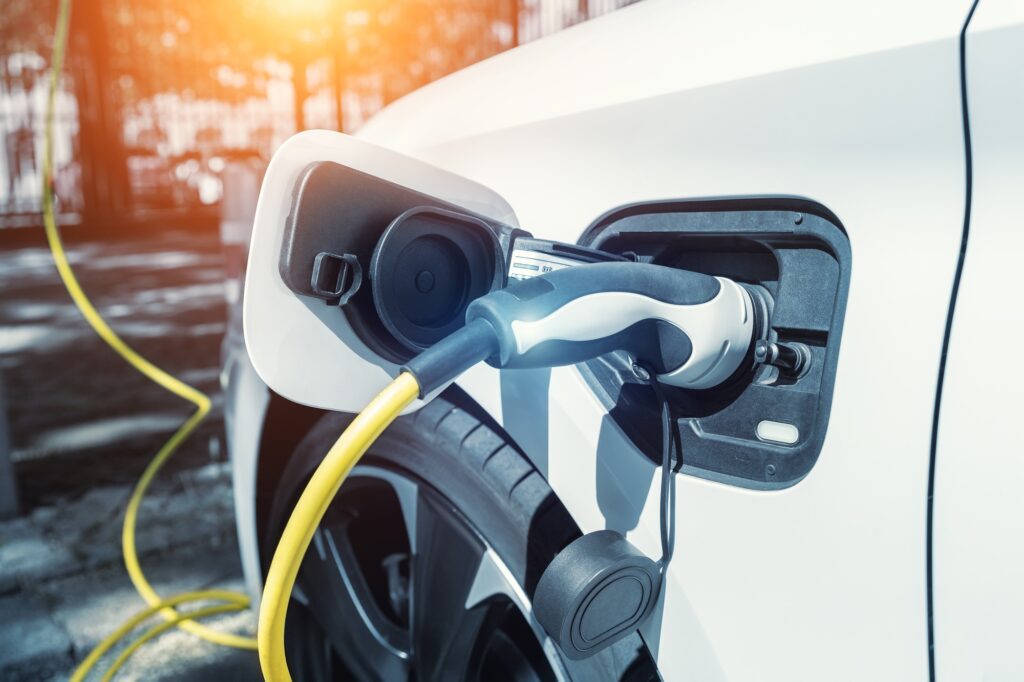
Workplace EV charging is quickly becoming an essential feature for modern businesses across the UK. Installing electric vehicle charging stations at business premises allows employers to support employees who drive electric vehicles, reduce organisational carbon emissions, and prepare for the future of transportation.
As EV adoption increases, employees expect convenient access to charging while they work. Businesses that install workplace charging infrastructure can improve employee satisfaction, attract environmentally conscious talent, and demonstrate leadership in sustainability.
Government incentives, tax advantages, and the rapid growth of electric vehicles have made workplace EV charging a practical investment for many organisations. With proper planning and professional installation from companies such as SKCG Renewable Energy, employers can introduce reliable charging infrastructure that supports both operational needs and long term environmental goals.
What Is Workplace EV Charging?
Workplace EV charging refers to the installation of electric vehicle charge points at business premises for use by employees, visitors, or company vehicles. These charging stations are typically installed in staff car parks or designated parking areas.
Unlike public charging stations, workplace charging takes advantage of predictable parking patterns. Employees often park their vehicles for several hours during the working day, which allows vehicles to recharge efficiently without requiring extremely high power charging systems.
Workplace EV charging systems typically include:
- Dedicated EV charging bays within company parking areas
- Charging equipment connected to the building’s electrical infrastructure
- Smart charging technology that manages energy demand
- Access control systems for employees or authorised users
Employers can decide whether the charging points are available exclusively for staff, shared with visitors, or used for company fleet vehicles.
Why Workplace EV Charging Is Becoming Important
Electric vehicles are becoming more common on UK roads as businesses and consumers seek more sustainable transportation options. This growth is increasing demand for accessible charging infrastructure in locations where people spend significant time.
For employees who drive electric vehicles, workplace charging can be one of the most convenient ways to keep their vehicles powered throughout the week.
Employers who provide charging facilities help remove a major barrier to EV adoption. Many employees may not have access to home charging due to living in flats or areas without private parking. Workplace charging allows them to switch to electric vehicles with greater confidence.
In addition to supporting employees, EV charging helps businesses demonstrate environmental responsibility and prepare for a future where electric vehicles are the norm.
Key Benefits of Workplace EV Charging for Employers
Supporting Employees Who Drive Electric Vehicles
Providing EV charging facilities at work offers immediate convenience for employees who own electric vehicles.
Instead of relying solely on public charging stations, employees can recharge their vehicles while completing their workday. This convenience makes commuting easier and encourages more staff members to consider electric vehicles as their next car purchase.
Workplace charging is particularly valuable for employees who do not have access to home charging infrastructure.
Attracting and Retaining Talent
Modern employees increasingly value workplaces that support sustainability and environmental responsibility.
Providing EV charging stations demonstrates that an organisation is forward thinking and committed to reducing its environmental impact. For many employees, this commitment aligns with personal values and lifestyle choices.
Workplace charging can therefore act as an attractive employee benefit that helps businesses recruit and retain talented professionals.
Companies that offer EV charging facilities often position themselves as progressive employers who support innovation and sustainability.
Strengthening Corporate Sustainability Goals
Many businesses are working toward reducing their carbon emissions and meeting environmental targets. Transport emissions from employee commuting and company vehicles contribute significantly to an organisation’s overall carbon footprint.
Encouraging employees to drive electric vehicles helps reduce these emissions. Workplace EV charging supports this transition by providing the infrastructure employees need to adopt cleaner transport.
Installing EV charging infrastructure also demonstrates tangible progress toward corporate sustainability commitments and environmental, social, and governance objectives.
Supporting Electric Fleet Vehicles
For businesses that operate company vehicles, workplace EV charging can significantly reduce operational costs.
Electric vehicles typically cost less to operate than petrol or diesel vehicles due to lower energy costs and reduced maintenance requirements. Charging company vehicles onsite allows businesses to maintain control over energy expenses while ensuring fleet vehicles remain ready for daily operations.
Charging infrastructure at business premises can support:
- Delivery fleets
- Service vehicles
- Sales vehicles
- Company cars
Fleet electrification is becoming increasingly common in industries such as logistics, construction services, maintenance operations, and local delivery companies.
Government Grants for Workplace EV Charging
One of the main reasons workplace EV charging is becoming more accessible is the availability of government support programmes.
Workplace Charging Scheme
The UK government provides financial assistance through the Workplace Charging Scheme to help businesses install EV charging points.
This programme offers funding that covers up to seventy five percent of installation costs, with a maximum contribution of three hundred and fifty pounds per charging socket.
Businesses can apply for funding for up to forty charging sockets across their premises, which can significantly reduce the initial investment required for EV charging infrastructure.
The scheme is available to many types of organisations including private businesses, charities, and public sector organisations. To qualify, businesses must have dedicated off road parking spaces for employees or visitors.
By taking advantage of this scheme, businesses can introduce EV charging facilities with lower upfront costs.
Tax Advantages of Workplace EV Charging
Workplace EV charging also offers favourable tax treatment for both employers and employees.
Electricity provided for employees charging their vehicles at work is generally exempt from income tax and National Insurance contributions when the charging facilities are available to all employees.
This tax treatment allows businesses to provide EV charging as an employee benefit without creating additional taxable income for staff members.
Employers may also benefit from capital allowances when investing in EV charging infrastructure, allowing them to offset installation costs against business profits.
UK Regulations for Workplace EV Charging
Employers installing EV charging infrastructure must ensure their systems comply with UK regulations and safety requirements.
Smart Charging Requirements
All new EV charge points installed in the UK must include smart charging capabilities. Smart chargers can automatically adjust charging times to balance electricity demand and reduce pressure on the national grid.
Smart charging systems also allow businesses to manage electricity usage more efficiently and reduce energy costs by charging vehicles during off peak periods.
Building Regulations
UK building regulations now require many new commercial developments with more than ten parking spaces to include EV charging infrastructure or provisions for future installation.
These regulations reflect the growing importance of electric vehicle infrastructure across commercial properties.
Planning Workplace EV Charging Infrastructure
Installing EV charging infrastructure requires careful planning to ensure the system meets both current needs and future demand.
Employers should consider several important factors when designing workplace charging systems.
Number of Charging Points
Businesses should assess how many employees currently drive electric vehicles and estimate future growth. Installing scalable infrastructure allows additional chargers to be added as EV adoption increases.
Electrical Capacity
The building’s electrical system must support the power requirements of EV chargers. In some cases, electrical upgrades may be required to accommodate multiple charging points.
Smart load management systems can distribute electricity efficiently across several chargers.
Parking Layout and Accessibility
Charging stations should be installed in convenient locations that allow vehicles to access them easily. Clear signage and designated parking spaces help ensure the chargers are used effectively.
Access Control and Management
Employers must decide who can use the charging stations. Some organisations restrict chargers to employees, while others allow visitors or customers to access them.
Access management systems can help track usage and control access through mobile apps or identification cards.
Types of Workplace EV Chargers
Businesses can choose between several types of EV charging equipment depending on their needs.
Slow Chargers
Slow chargers provide lower power charging and are suitable for vehicles parked overnight or for extended periods. They are commonly used in residential environments.
Fast Chargers
Fast chargers are the most common option for workplace charging. They provide enough power to fully charge most electric vehicles during a typical working day.
Rapid Chargers
Rapid chargers provide very high power and can charge a vehicle significantly faster than standard chargers. These chargers are usually installed in locations where drivers need quick charging, such as motorway service areas.
For most workplaces, fast chargers provide the best balance between installation cost and charging speed.
Integrating Workplace EV Charging With Renewable Energy
Many organisations are combining workplace EV charging with renewable energy systems to improve sustainability and reduce electricity costs.
Solar panels installed on office buildings or car park structures can generate electricity that powers EV chargers during the day.
Battery storage systems can store excess solar energy and release it when vehicles require charging.
Benefits of combining renewable energy with EV charging include:
- Lower electricity costs
- Reduced reliance on the national grid
- Greater energy independence
- Improved sustainability performance
Integrated systems that combine solar power, battery storage, and EV charging allow businesses to maximise the environmental benefits of electric vehicles.
SKCG Renewable Energy specialises in installing renewable energy systems that combine solar panels, battery storage, and EV charging infrastructure to create efficient energy solutions for businesses.
Safety and Maintenance Considerations
EV charging systems must be installed according to strict electrical safety standards.
Charging infrastructure should always be installed by qualified professionals to ensure compliance with UK regulations.
Routine inspections and maintenance help ensure the charging equipment operates safely and reliably.
Employers should also establish clear policies for charger usage, including parking rules and charging etiquette, to ensure fair access for employees.
Proper maintenance ensures that charging systems remain efficient and continue to support employees effectively.
The Future of Workplace EV Charging
Workplace EV charging is expected to become a standard feature in commercial environments across the UK.
As electric vehicles continue to replace petrol and diesel cars, employees will increasingly expect convenient charging facilities at their workplaces.
Businesses that invest in charging infrastructure early will be better prepared to support employees and adapt to the changing transport landscape.
Forward thinking employers recognise that workplace EV charging is not simply an employee perk. It is a strategic investment that supports sustainability, innovation, and long term operational efficiency.
Conclusion
Workplace EV charging is becoming an important investment for employers across the UK. By installing charging infrastructure, businesses can support employees who drive electric vehicles, reduce environmental impact, and prepare their operations for the future of transportation.
Government incentives, favourable tax treatment, and increasing EV adoption make workplace charging a practical and forward thinking solution for many organisations.
Businesses interested in installing workplace EV charging infrastructure can learn more by visiting SKCG Renewable Energy or by contacting us to discuss professional installation and renewable energy solutions tailored to their business needs.